Building a Walking Habit That Lasts
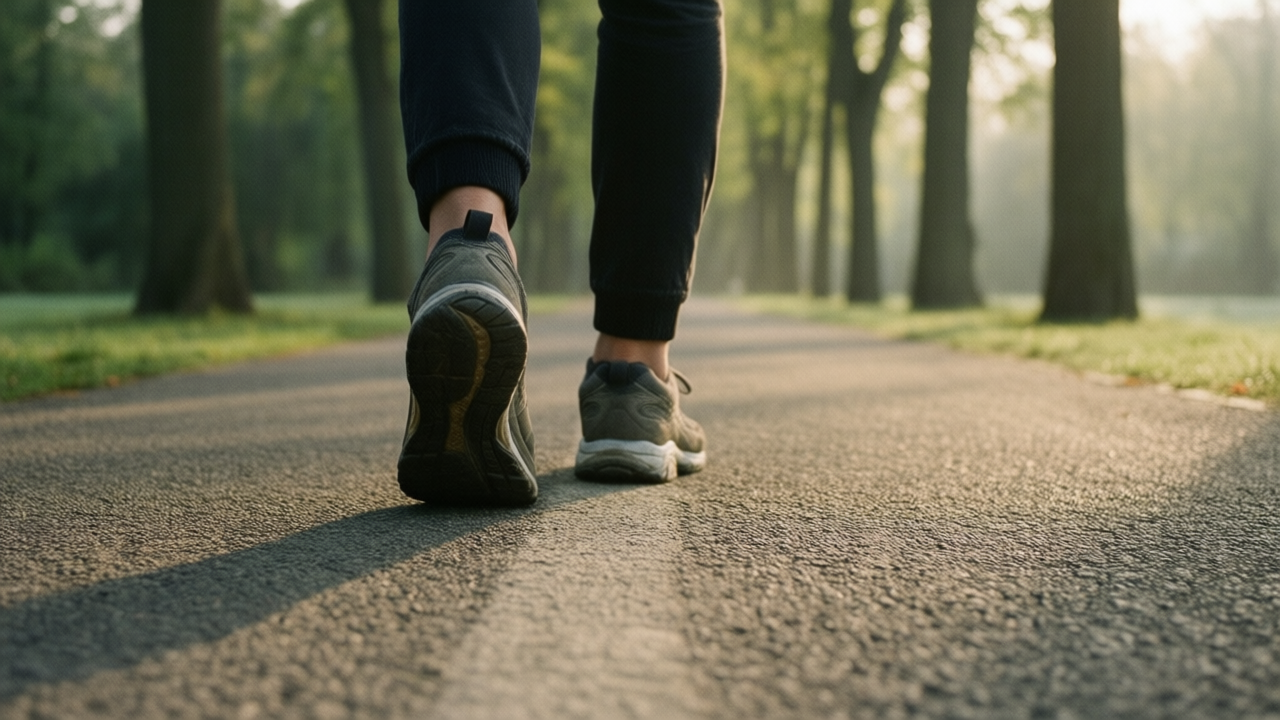
Walking receives less attention than more strenuous exercise, largely because it is unremarkable. It is also the activity people are most likely to still be doing a year later, which matters more than intensity.
Consistency outperforms intensity
An ambitious program abandoned in three weeks accomplishes less than a modest one sustained for years. Walking has unusually low barriers: no equipment beyond shoes, no facility, no learning curve, and minimal recovery cost.
Physical activity guidelines commonly reference around one hundred fifty minutes of moderate activity weekly, which is roughly a half hour on most days. Brisk walking counts toward that, and it need not happen in one block.
Start from where you are
The most common mistake is beginning at a level borrowed from someone else's routine.
- Establish your current baseline over a week without changing anything.
- Add gradually, roughly ten percent per week, in either duration or pace but not both simultaneously.
- Increase duration before intensity, since time on feet builds the base that faster walking draws on.
Anchor it to something existing
New habits attach more reliably to established routines than to intentions.
- A walk immediately after a specific meal
- A walk at the start of the workday or immediately at its end
- Parking further away consistently, or taking a fixed route to a regular destination on foot
- Walking during phone calls that do not require a screen
The anchor supplies the reminder, which is the part motivation reliably fails to provide.
Make the barrier small
Habits fail at friction points.
- Keep shoes somewhere visible and convenient.
- Choose a default route so the decision is already made.
- Have an option for bad weather decided in advance, whether indoors, a covered area, or appropriate clothing.
- Set the minimum genuinely low. A commitment to ten minutes on difficult days preserves the habit, and short walks frequently become longer once started.
Comfort determines whether it continues
- Shoes that fit properly with adequate room at the toes matter more than any particular brand or category.
- Replace shoes when cushioning compresses noticeably, since worn shoes are a common source of foot and knee discomfort.
- Dress for slightly cooler than the temperature, since you warm up within several minutes.
- Carry water for longer walks in heat.
Keeping it from becoming boring
- Vary routes, since novelty sustains interest more than most people expect.
- Audio content transforms walking time into something else you already wanted to do.
- Walking with another person adds accountability that is difficult to replicate alone.
- Tracking provides feedback, though step targets are general reference points rather than medical thresholds, and any increase over your baseline is meaningful.
Adding challenge over time
Once walking is established, progression can come from pace, from hills, from distance, or from adding light resistance. Increase one variable at a time and hold it long enough to adapt before adding another.
When to check with a clinician first
Speak with a physician before beginning or significantly increasing activity if you have known heart or lung conditions, are managing a chronic illness, are recovering from injury or surgery, are pregnant, or have been largely inactive for a long period. Stop and seek care for chest pain or pressure, unusual shortness of breath, dizziness, or pain that worsens as you continue.
This article is general wellness information and not medical advice. An exercise plan appropriate to your health should be developed with a qualified clinician.
Article Was Generated By AI.